How AI Is Changing the Way We Edit Videos
Video content is everywhere right now, on social media, in marketing campaigns, and even in personal storytelling. But editing that content used to be a slow, technical process reserved for people who knew their way around timelines, keyframes, and color grading panels. That’s changing fast.
From Manual Editing to Conversational Editing
A few years ago, editing a video meant learning software from scratch. Today, a new generation of tools lets creators simply describe what they want, and the software handles the technical execution.
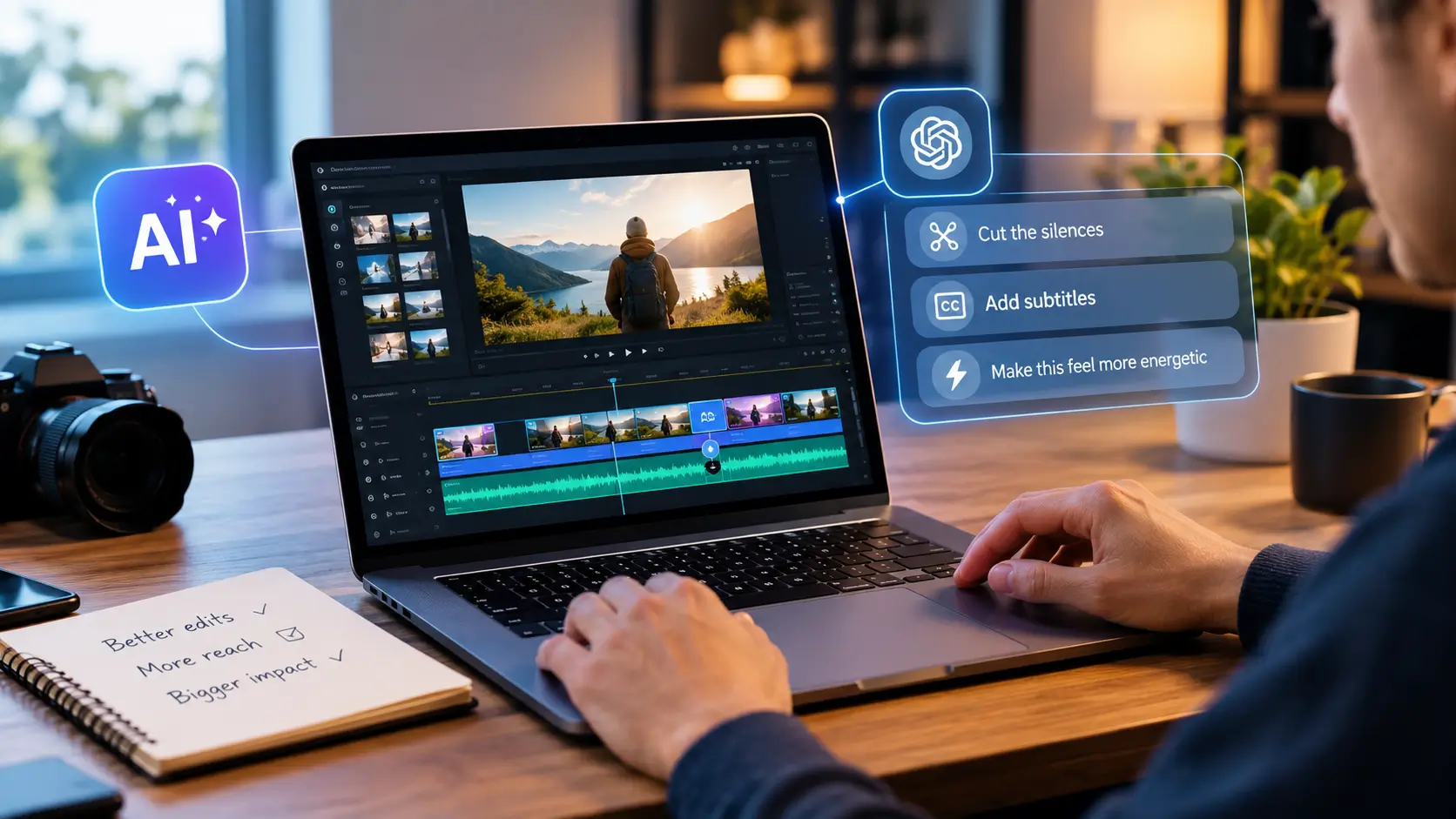
This shift is largely driven by AI models that understand natural language. Instead of manually trimming clips or adjusting transitions frame by frame, creators can type a request, such as “cut the silences,” “add subtitles,” or “make this feel more energetic,” and the tool interprets that instruction into an actual edit.
One example of this trend is the AI video editor with ChatGPT, which combines conversational prompts with editing automation, letting users describe changes instead of manually applying them.
Why This Matters for Creators
The biggest impact of AI-assisted editing isn’t just speed, it’s accessibility. Small business owners, solo content creators, and marketing teams without dedicated video editors can now produce polished content without years of technical training.
A few practical benefits stand out:
- Faster turnaround: rough cuts that used to take hours can be done in minutes.
- Lower skill barrier: creators don’t need to master complex software interfaces.
- More iteration: because edits are faster, creators can experiment with different styles before settling on a final version.
What AI Still Can’t Replace
It’s worth being honest about limitations too. AI tools are excellent at handling repetitive, technical tasks like cutting, syncing, and formatting, but creative judgment still matters. Pacing that feels emotionally right, storytelling choices, and brand voice are areas where human input remains essential.
The most effective workflows today tend to combine both: AI handles the technical heavy lifting, while the creator guides the vision.
Where This Is Headed
As language models get better at understanding context, expect editing tools to become even more conversational. Future versions may not just execute commands but suggest creative directions based on the footage itself, recommending cuts, music, or pacing changes proactively.
For now, the trend is clear: video editing is moving from a purely manual skill to a collaborative process between human creativity and AI assistance. Creators who adapt early are likely to save significant time without sacrificing quality.
Video editing tools continue to evolve quickly, and creators exploring AI-assisted workflows have more options than ever to simplify their process while keeping full creative control.